
DB Series – Package Handling Lift
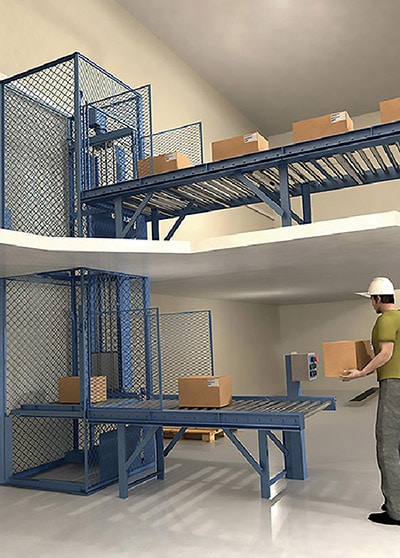
The PFlow DB Series continuous vertical lift is ideal for moving lighter loads between floors or conveyor levels.
PFlow industrial box lifts can move up to 100 lbs and have a standard carriage size of 3’ x 3’. The DB Series lift can be loaded and unload from three sides.
With a standard travel speed of 60 feet per minute, DB Series industrial lifts are ideal for high-speed applications. We can also custom-design a solution to offer speeds up to 400 FPM.
The DB Series material-handling industrial lift is entirely self-contained and self-supporting. When used with a conveyor system, it uses far less space than inclined conveyors.
- Lifts loads of up to 100 lbs
- Standard carriage size is 3’x3′
- Standard travel speed is 60 FPM
- Up to 400 FPM available
- Unlimited cycles, continuous use
- Indoor use only
- Lifetime structural warranty
- Conforms to ASME B20.1 Safety Standards
For heavier package industrial box lifting, see our B Series box lift with a capacity of 500 pounds.
Features & Benefits
- 3' x 3' carriage design saves space by handling loads typically moved by inclined conveyors.
- Fully enclosed carriage prevents materials from falling while being lifted and lowered.
- Counterweight lifting mechanism minimizes horsepower requirements and saves energy.
- Pre-assembled components allow for ease of installation.
- Durable, high-quality construction ensures safe, reliable, and long-term performance.
- Improves worker safety by reducing or eliminating the need to move materials manually or by a forklift.
Vertical Lift Safety
Product Specifications
Best for
Capacity
Carriage Size
Travel Speed
Cycles
Drive Options
Safety Gates
Electrical
Watch Our DB Series in Action
Why Choose PFlow?
At PFlow, we back up our products with top-notch customer service, and we embrace the concept of “service after the sale” to ensure that you’re never alone in keeping your PFlow lift running optimally.
We offer a wide range of services, including pre-installation planning, installation, start-up services and troubleshooting. Our highly knowledgeable engineers, field service team, and customer service reps are always ready to provide expert help. Get in touch with us below to learn how we can solve your toughest material-moving challenges.
Frequently Asked Questions
Related Resources

Top Warehouse Storage Solutions to Maximize Efficiency in 2026
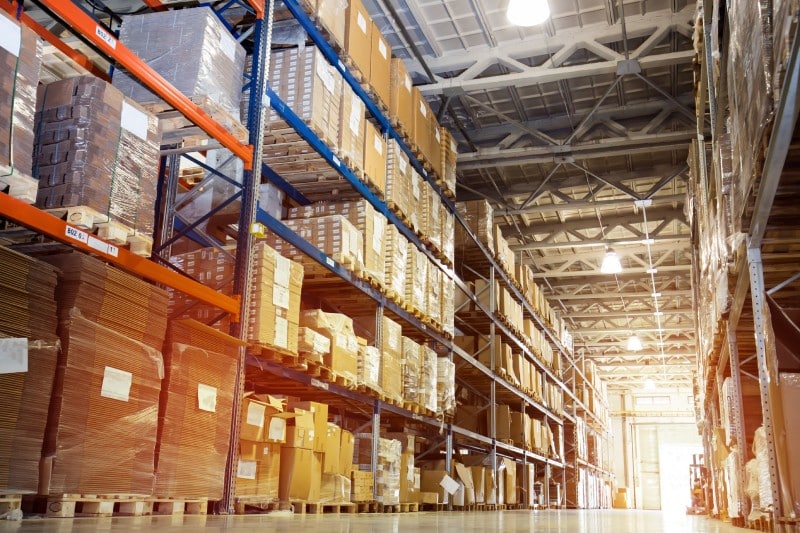
Why Organization is Critical for Warehouse Efficiency Maximizing your warehouse storage can be tricky, but it’s essential to the success of your business. Your warehouse is often the hub where you store products, fulfill orders, and even welcome clients. Without a well-organized space, you risk shipping incorrect orders, experiencing late deliveries, and facing reduced employee productivity. Proper organization also helps prevent scattered inventory and costly backorders. This guide covers top warehouse storage solutions designed to help you organize your space
Why Buy Vertical Conveyors from an Employee-Owned Company?
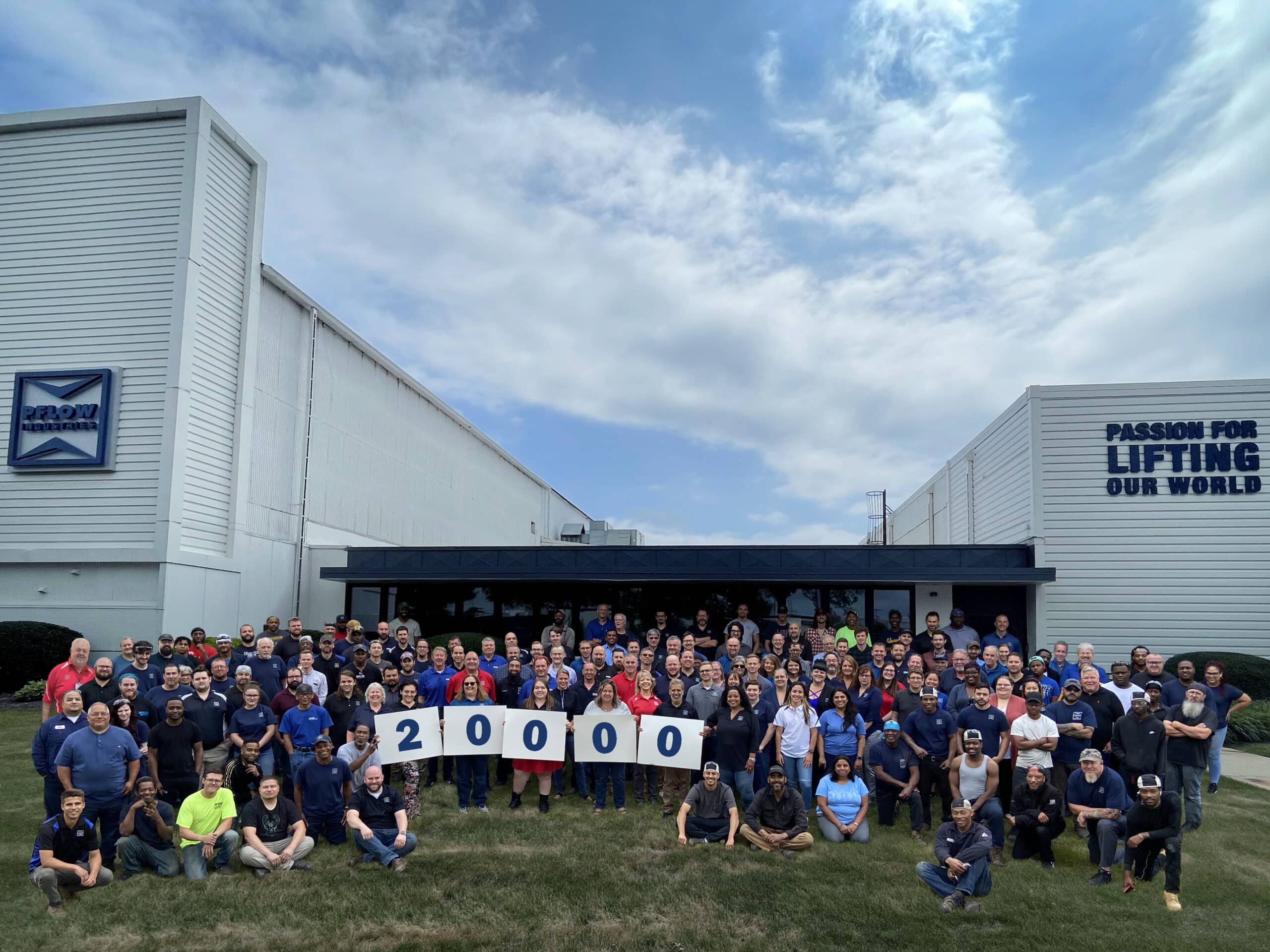
What sets PFlow Industries apart from other vertical reciprocating conveyor manufacturers? While we are known for our innovative, purpose-built, precision-engineered lifting solutions and industry-leading customer support, the real strength of PFlow lies in our people. Owning It: How People Drive the PFlow Difference At PFlow we know it takes great people to build great machinery and industrial equipment that’s built to last. That’s why we’ve long recognized the critical role our employees play in our success by giving them a
How to Get the Best Performance From Your VRC
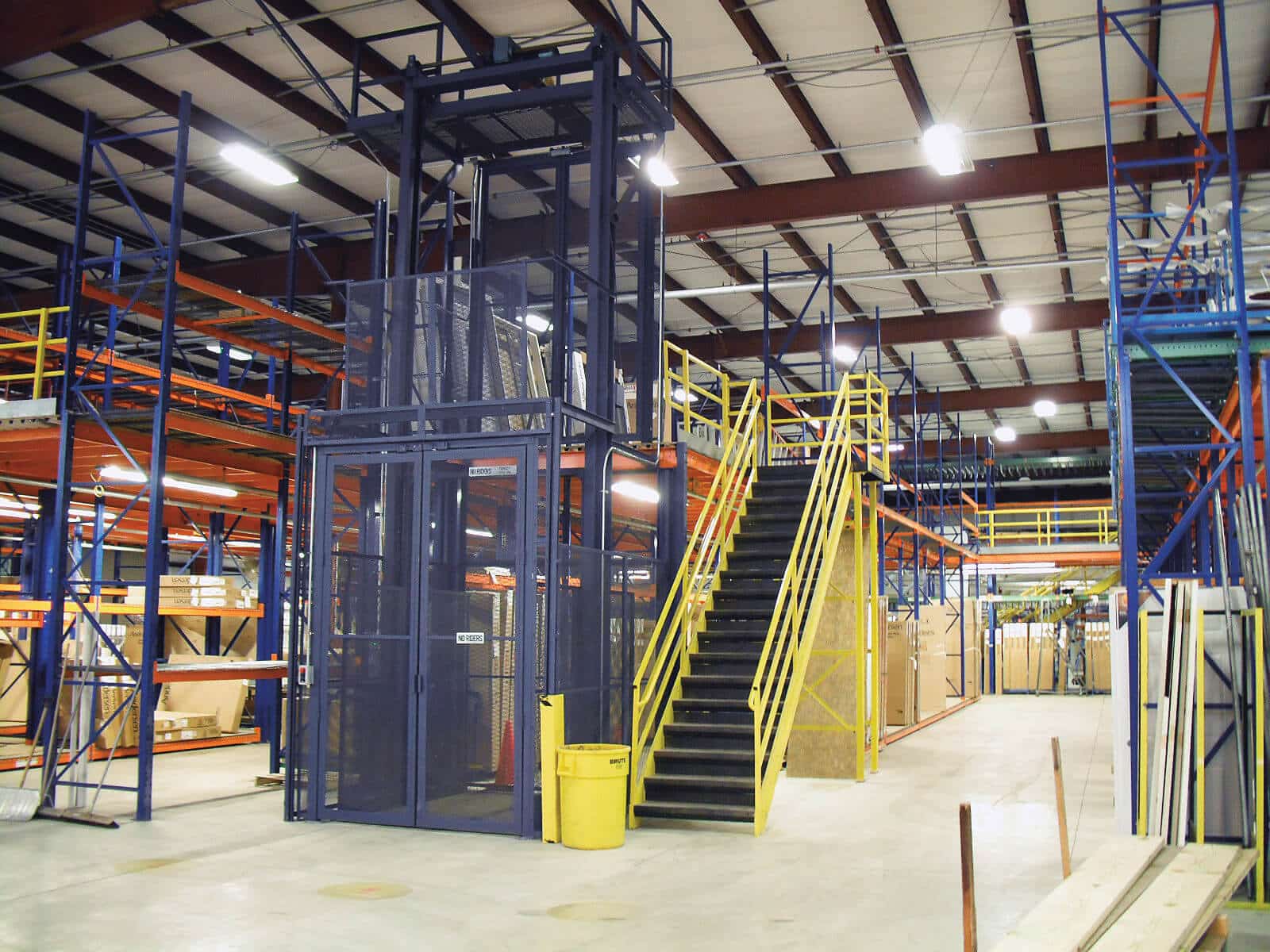
Two of the best reasons for using a vertical reciprocating conveyor (VRC) over other types of material lifting equipment are that they’re inherently safer and more reliable than other material lifting equipment. However, as with any machinery, proper maintenance is critical to maintain optimal performance and safety. Ignoring routine maintenance could lead to an equipment breakdown that could disrupt your business and potentially lead to injury. Prevent Vertical Reciprocating Conveyor Downtime and Failure Routine maintenance and visual inspections are key